 VITA
Coffee, tea and caffeine: how much, when
Where plain coffee and tea sit in the fasting window, the daily caffeine limit the sources give, and caffeine's part in sleep and hydration.
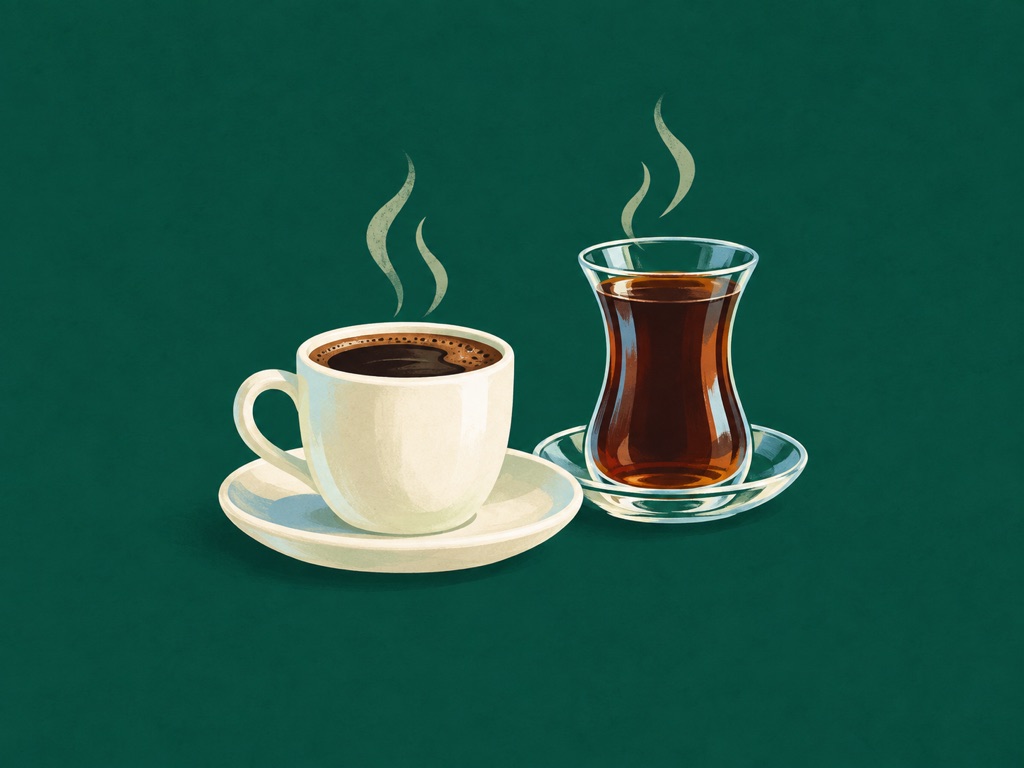
Coffee is the drink people ask about most in the fasting window. Cleveland Clinic notes that water, sparkling water, plain black coffee and unsweetened teas can be drunk while you fast. Once you add milk, sugar or cream, the drink starts carrying calories and, according to the sources, ends your fast. The same source suggests limiting or avoiding artificial sweeteners, noting that they may take you out of the fasted state.
How much a day
Cleveland Clinic reports that the U.S. Food and Drug Administration considers 400 milligrams of caffeine a day safe for most adults; the source writes that this is roughly two or three 12 ounce coffees, that is about 355 milliliters each. The NHS suggests keeping caffeine moderate and reminds you that some people are more sensitive to it than others. According to the NHS, you should not go above 200 milligrams a day in pregnancy; the source notes that this can raise the risk of miscarriage and low birth weight.
What too much does
Cleveland Clinic lists a faster heart rate, palpitations, headache, restlessness, urinating more often, thirst and trouble sleeping among the early signs of too much caffeine.
Until what time
According to Cleveland Clinic, caffeine generally takes three to ten hours to break down in your body. The NHS also recommends no tea, coffee or alcohol within at least 6 hours of bedtime. Cleveland Clinic additionally says to stay away from caffeine right before a fast; caffeine can contribute to dehydration.
The NHS notes that water, lower fat milk and sugar free drinks including tea and coffee count toward your daily fluid intake, and that 6 to 8 glasses of fluid a day is recommended. Cleveland Clinic suggests working out the caffeine amount that is safe for you with a health professional, based on your own health situation.
Sources
VITA is for information only; it is not medical advice, diagnosis or treatment. If you are pregnant or breastfeeding, under 18, living with diabetes or taking medication that lowers blood sugar, have a history of an eating disorder or an ongoing illness, talk to your doctor before you fast.