 VITA
Fasting while travelling and working shifts
How can you plan meals and sleep together when crossing time zones or working nights? What your body clock means for a flexible routine on travel and shift days.
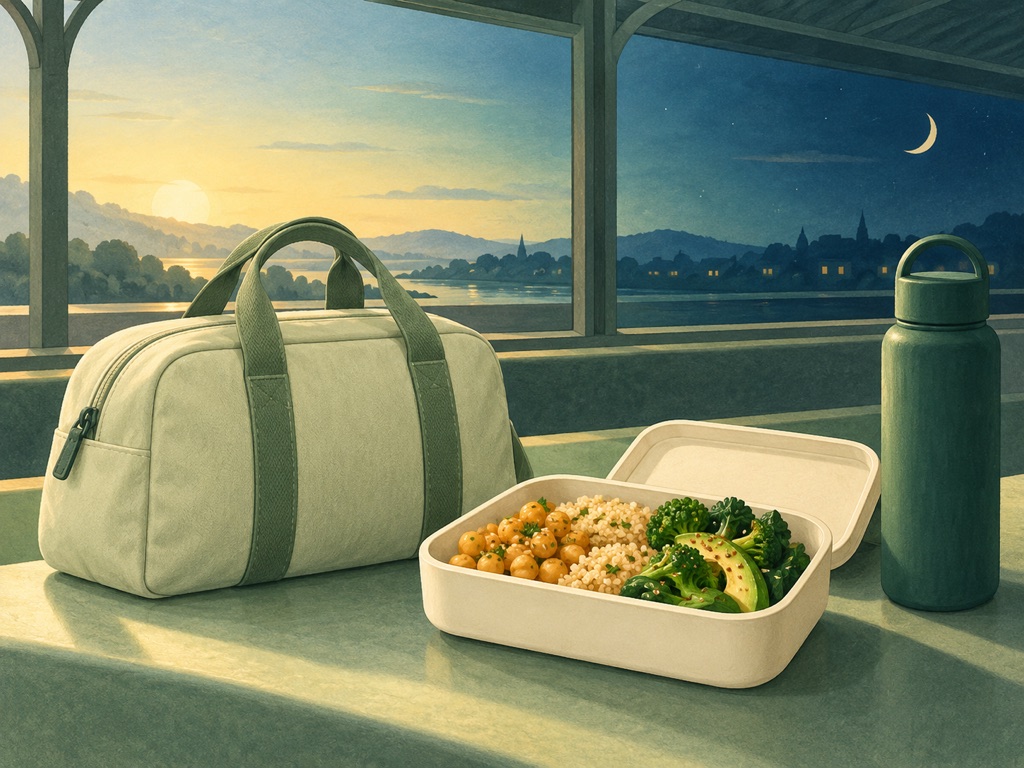
An eating window that works comfortably at home may feel different on a long flight or a night shift. According to the US National Heart, Lung, and Blood Institute (NHLBI), crossing time zones can put your sleep and waking rhythm out of step with local time, while night or rotating work can make uninterrupted sleep difficult when your body needs it. On those days, consider your plan alongside meals, rest and the attention your job requires.
Your phone changes time before your body catches up
Jet lag is more than confusion about the time. The NHLBI explains that you may feel sleepy during the local day and alert at night. Calculating the gap between meals simply by subtracting clock times in different cities can also mislead you. When reviewing times in VITA, consider where you were and how much time actually passed. You do not have to turn a time zone difference into extra hours of fasting.
There is no single right window for a travel day
The CDC travel guide recommends planning sleep, meals and light around the destination time zone. For short trips of 2 to 3 days, the NHS also offers keeping your usual eating and sleeping times as an option, to avoid readjusting on the way back. These are not rules that give everyone the same schedule; the length of your stay and direction of travel matter. Neither source recommends extending a fast as a way to fix jet lag.
A night shift is not simply daytime in reverse
NIOSH, part of the CDC, notes that if your body clock has not adapted to night work, you may be eating while your digestive system is preparing for sleep. Its guidance suggests keeping a normal day and night eating pattern where possible, and reducing or avoiding food between midnight and 6 a.m. This is general nutrition guidance for shift workers, rather than a fasting trial showing everyone should go without food at those hours. Your workload and health need to be considered before recommending a particular window.
The same NIOSH guidance recommends options such as vegetables, fruit, wholegrain sandwiches, yogurt, eggs and nuts during a shift, and allows for eating more often when energy needs increase. It does not mean you must never eat at night. First identify your breaks and the conditions in which you can eat. Bringing a prepared meal may help you make that day's plan fit your actual working routine.
Make room for sleep first
The NHLBI recommends regular meal times for shift workers, along with a cool, quiet sleeping environment and limiting caffeine close to bedtime. Your bedtime may be after your shift. Avoid breaking up the time you set aside for sleep just to fit another meal into your window. If you are consistently sleepy after work, do not assume fasting explains it all; shift work itself can be associated with sleep problems.
Plan flexibility in advance
- Before travelling or starting a shift, consider when you will sleep, take breaks and have real opportunities to eat.
- If you follow intermittent fasting, choosing a shorter fast or taking a break that day is an option. VITA's 12:12 and 14:10 choices can help you think about duration; they are not specially validated shift work plans.
- Remember water on a flight. The NHS includes drinking water and getting outside in natural daylight after arrival among its jet lag tips.
- These suggestions for flexibility concern daily intermittent fasting. Do not use this article to infer religious rules for travelling during Ramadan; our article on Ramadan and intermittent fasting explains the distinction.
When you should not try it on your own
The NIH particularly recommends discussing fasting with a health professional if you work nights, operate heavy machinery, have a seizure disorder, are pregnant or breastfeeding, or take diabetes medicines or medicines that require food. Growing adolescents and people with eating disorders should not do intermittent fasting; Harvard T.H. Chan's warning includes these groups too. Talk to your doctor before changing your schedule. Keeping a window should not take priority over working safely and getting rest.
Sources
- NHLBI, Circadian Rhythm Disorders: Types
- CDC Yellow Book, Jet Lag Disorder
- NHS, Jet lag
- NIOSH, Diet Suggestions for Night-Shift Nurses
- NHLBI, Circadian Rhythm Disorders: Treatment
- NIH News in Health, To Fast or Not to Fast
- Harvard T.H. Chan School of Public Health, Diet Review: Intermittent Fasting for Weight Loss
VITA is for information only; it is not medical advice, diagnosis or treatment. If you are pregnant or breastfeeding, under 18, living with diabetes or taking medication that lowers blood sugar, have a history of an eating disorder or an ongoing illness, talk to your doctor before you fast.