 VITA
Ramadan fasting and intermittent fasting: what is different?
Water, suhoor and iftar, fasting duration and health considerations: how to think about your plan without treating Ramadan fasting and a daily eating window as the same routine.
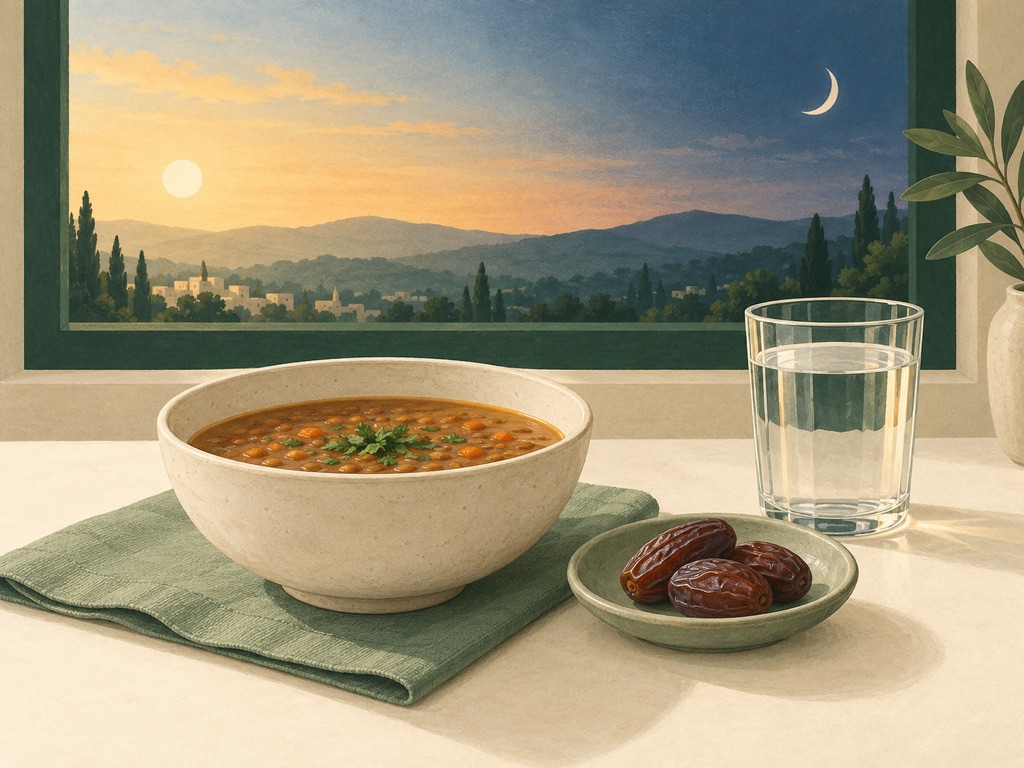
Ramadan fasting is part of worship and a month shared with others. Intermittent fasting is an umbrella term for different eating and fasting patterns. Scientific publications sometimes study Ramadan under that broad heading too, but there are important differences in daily practice. A review by Osman and colleagues describes abstaining from food and drink from dawn until sunset during Ramadan. Here we look at those differences in terms of health and everyday routines, without offering religious rulings.
Water is one of the main differences
During a Ramadan fast, no drinks, including water, are consumed in the fasting hours. Daily time-restricted eating generally allows water throughout the day. In the pattern Cleveland Clinic describes, water, black coffee and unsweetened tea can be included during fasting hours. So advice saying you can drink water during intermittent fasting is not describing Ramadan practice. Two fasts of similar duration may have very different arrangements for fluids.
The duration is set differently
With 16:8, you choose a 16 hour fast and an 8 hour eating window. During Ramadan, local dawn and sunset times determine the daily fast, rather than a fixed number of hours. The review by Osman and colleagues also notes that fasting duration varies with the season and location. That means Ramadan fasting should not automatically be called 16:8. Even when one day's duration is close, the other features of the routine differ.
Suhoor and iftar create a different rhythm
Osman and colleagues describe the common meal pattern as suhoor before dawn and iftar at sunset, with the foods and distribution of meals varying across cultures. With a daily eating window, you can place your first and last meals around work and sleep. Considering when you get up for suhoor and when you can rest during the day tells you more than fasting duration alone.
What to consider at meals and during the day
- If you are fasting, you can plan a light meal at suhoor. The Turkish Ministry of Health suggests options such as yogurt, eggs and wholegrain bread, and recommends avoiding very fatty or salty dishes.
- Remember water between iftar and suhoor. Fitting fluids into those hours requires different preparation from an intermittent fasting routine that allows water.
- Take your time at iftar. The ministry recommends starting lightly and continuing with smaller portions rather than eating a large amount at once.
- Do not dismiss dizziness or passing very little urine as ordinary hunger. The NHS lists these among signs of dehydration and recommends urgent medical advice for dizziness on standing that does not go away.
Before choosing a plan, identify the routine you are following
The names 12:12, 14:10 and 16:8 in VITA describe the hours of fasting and eating. They do not determine dawn or iftar times for Ramadan. If you are considering a daily eating window outside Ramadan, look for a duration that leaves room for meals, water and sleep. If you track during Ramadan, do not use the plan's duration target in place of religious timings; use a reliable local calendar for those. This distinction concerns how you use the app, rather than an assessment of medical suitability.
Who should speak to a doctor first
The Norwegian Directorate of Health advises against fasting during pregnancy or breastfeeding, or when fasting worsens a medical condition. If you have diabetes, make a plan with your doctor first. Harvard T.H. Chan School of Public Health also advises that growing adolescents, people with anorexia or bulimia, and those taking medicines that require food should not do intermittent fasting. Do not change medication times yourself; talk to your doctor. This article does not replace health advice or religious guidance.
Sources
- Osman et al. 2020, Effects of Time-Restricted Feeding during Ramadan on Dietary Intake, Body Composition and Metabolic Outcomes (Nutrients)
- Cleveland Clinic, Intermittent Fasting: What It Is, Benefits and Schedules
- T.C. Sağlık Bakanlığı, Ramazan'da Beslenme Önerileri
- NHS, Dehydration
- The Norwegian Directorate of Health, Advice on Ramadan and health
- Harvard T.H. Chan School of Public Health, Diet Review: Intermittent Fasting for Weight Loss
VITA is for information only; it is not medical advice, diagnosis or treatment. If you are pregnant or breastfeeding, under 18, living with diabetes or taking medication that lowers blood sugar, have a history of an eating disorder or an ongoing illness, talk to your doctor before you fast.