 VITA
What is 16:8 intermittent fasting, and how do you do it?
Fasting for 16 hours and eating within 8: how to pick your window, what you can drink while fasting, what the first weeks can feel like and what the evidence says today.
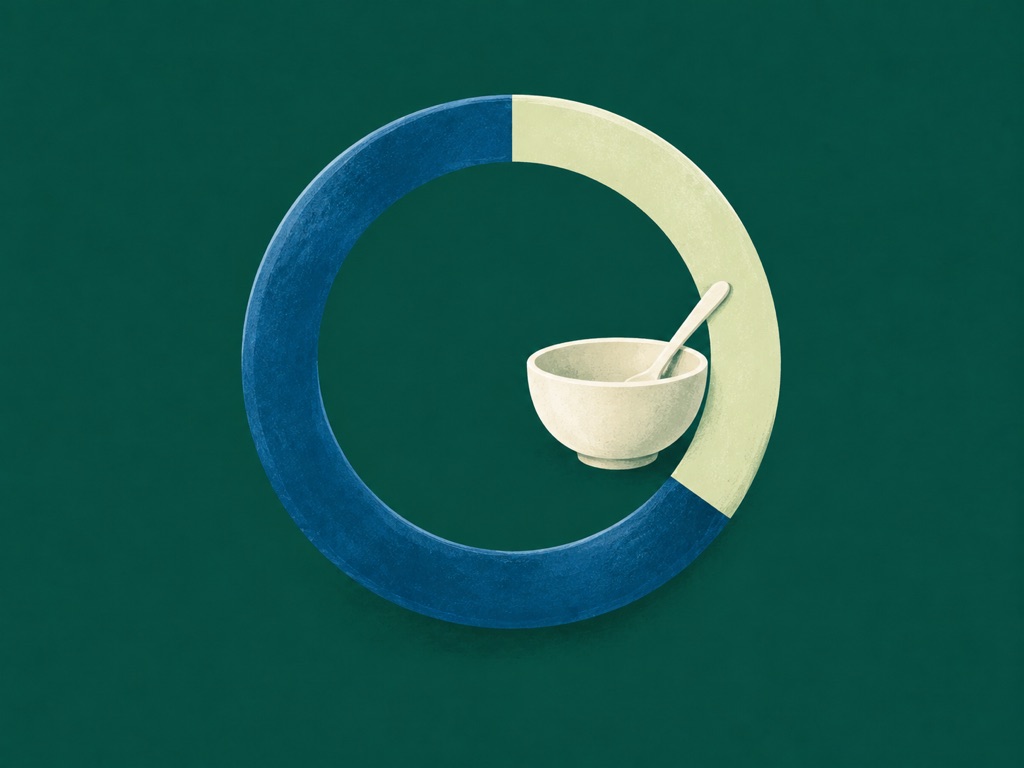
With 16:8 you spend 16 hours of the day fasting and fit your meals into the remaining 8. Cleveland Clinic sees it as a safer bet for many people trying intermittent fasting for the first time.
How to pick your window
There is no single right time. Cleveland Clinic gives 11 a.m. to 7 p.m. as an example, Harvard Health Publishing gives 9 a.m. to 5 p.m., and one clinical trial of 16:8 used noon to 8 p.m. You can choose a window that suits your working hours, your sleep and the times you usually sit down to eat.
What you can drink while fasting
According to Cleveland Clinic, staying in a fasting state means having no food or drink that contains calories. Water, sparkling water, black coffee and unsweetened tea are all fine during this time. Once you add milk or sugar to your coffee, it carries calories and the fast is over.
What to eat in your eating window
As Harvard Health Publishing points out, intermittent fasting plans usually do not say which foods to eat; the source recommends a balanced diet built on whole grains, nuts, legumes, fruit and vegetables. If you find you are genuinely hungry, Cleveland Clinic suggests adding more protein and fibre to your day, for example a small afternoon snack of plain Greek yoghurt and berries.
What the first weeks can feel like
Harvard Health Publishing notes that depending on how long the fast lasts, people may get headaches, lethargy, crankiness and constipation. A 2026 evidence summary reports that hunger and headache, common side effects of time restricted eating, are mild and pass. Rather than cutting back overnight, Cleveland Clinic recommends easing in over several days or even weeks; in VITA you can start with 12:12 or 14:10 and move to 16:8 later.
What the evidence says
According to Harvard Health Publishing, there is little evidence on the long term results of intermittent fasting, and most trials last 12 months or less. In the 12 week randomised TREAT trial with 116 adults, eating between noon and 8 p.m. was no more effective for weight loss than eating three regular meals through the day. 16:8 is a timing pattern, and VITA does not promise you any result from it.
Before you start
According to the Harvard T.H. Chan School of Public Health, people with diabetes, people with an eating disorder such as anorexia or bulimia, people taking medicines that must be taken with food, teenagers who are still growing, and anyone pregnant or breastfeeding should not do intermittent fasting. Cleveland Clinic also recommends talking to a healthcare professional before you begin.
Sources
- Cleveland Clinic, Intermittent Fasting: What It Is, Benefits and Schedules
- Harvard Health Publishing, Time to try intermittent fasting?
- Harvard Health Publishing, 4 intermittent fasting side effects to watch out for
- Harvard T.H. Chan School of Public Health, Diet Review: Intermittent Fasting
- Liu et al. 2026, Time-restricted eating in overweight and obese adults: an evidence summary and clinical recommendations (PMC)
- Lowe et al. 2020, Effects of Time-Restricted Eating: The TREAT Randomized Clinical Trial (JAMA Internal Medicine)
- Cleveland Clinic, Is Fasting Good for You? How To Fast the Healthy Way
VITA is for information only; it is not medical advice, diagnosis or treatment. If you are pregnant or breastfeeding, under 18, living with diabetes or taking medication that lowers blood sugar, have a history of an eating disorder or an ongoing illness, talk to your doctor before you fast.