 VITA
Protein and fiber basics
Why protein and fiber come forward when your eating window shortens, the daily amounts the sources give, and practical food examples.
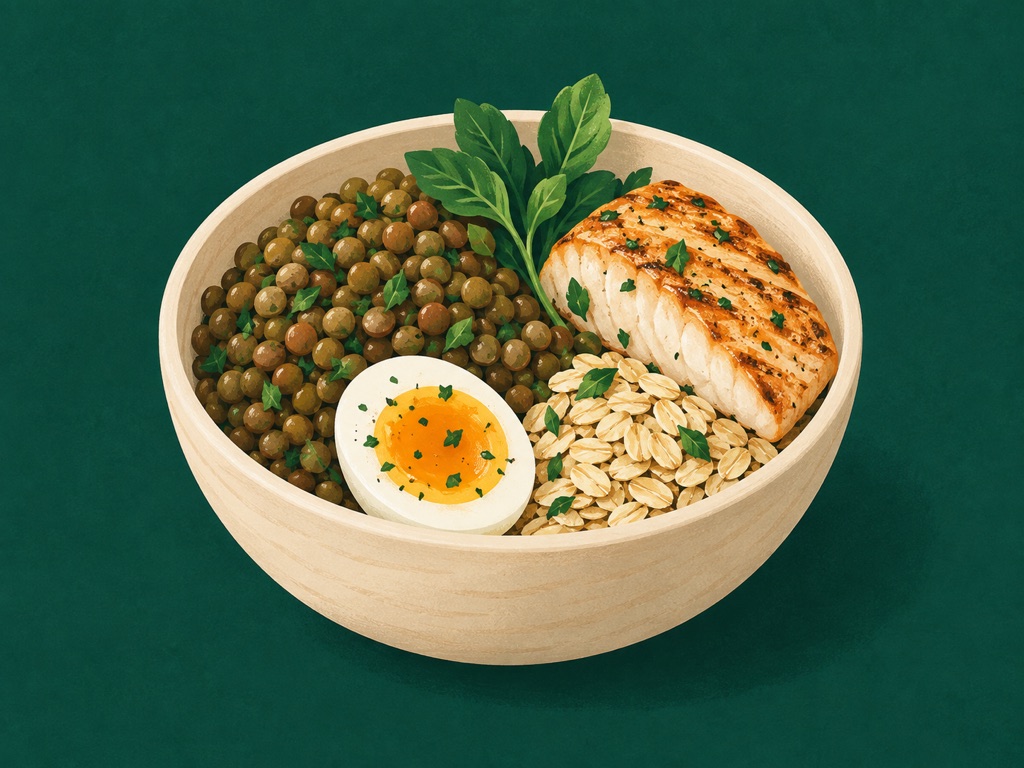
When your eating window narrows, you have to fit your daily nutrition into fewer meals. Cleveland Clinic notes that in fasting methods that involve calorie restriction it is important to focus on foods high in fiber and protein, because those fill you up; it also suggests adding more protein and fiber to your day to manage hunger.
Protein
According to the Harvard T.H. Chan Nutrition Source, protein is found everywhere in your body: in muscle, bone, skin, hair and virtually every tissue and organ. The National Academy of Medicine's recommendation is 0.8 grams of protein a day for every kilogram of body weight. The same source stresses that for health the source of the protein matters more than the amount: when you eat a protein food, you also take in the fat, fiber and sodium that come with it.
- Choose fish, poultry, beans and nuts.
- Limit red meat and cheese.
- Avoid processed meats such as bacon, salami and cold cuts.
Fiber
According to the same source, fiber is a type of carbohydrate your body cannot digest; it passes through you undigested. Soluble fiber can help lower glucose and blood cholesterol levels, and its sources include oatmeal, chia seeds, nuts, beans, lentils, apples and blueberries. Insoluble fiber helps food move through your digestive system, which supports regularity and helps prevent constipation; whole wheat products, quinoa, brown rice, leafy greens, almonds, walnuts, seeds and fruit eaten with the skin on are in this group. According to Harvard, fiber helps regulate the body's use of sugar, which keeps both your hunger and your blood sugar steadier.
How much fiber
The Harvard T.H. Chan Nutrition Source notes that for health children and adults need at least 25 to 35 grams of fiber a day, while average intake in the United States stays at 15 grams a day. The NHS recommendation for adults is 30 grams of fiber a day; average intake in the United Kingdom is 20 grams a day. According to the NHS, getting enough fiber is linked with a lower risk of heart disease, stroke, type 2 diabetes and bowel cancer, and it also helps digestion and prevents constipation.
Spreading it across meals
The NHS gives concrete examples for spreading fiber through the day: 2 slices of wholemeal toast with peanut butter followed by a medium orange comes to 8.3 grams of fiber; wholewheat spaghetti with lentils and tomato sauce comes to 11 grams; a dinner of grilled chicken breast, a baked potato with the skin on, carrots and green beans comes to 11.2 grams. For snacks it suggests fresh fruit, vegetable sticks, rye crackers, oatcakes and unsalted nuts or seeds.
When your window is short, putting one protein source and one fiber source in every meal makes these amounts easier to reach.
Sources
VITA is for information only; it is not medical advice, diagnosis or treatment. If you are pregnant or breastfeeding, under 18, living with diabetes or taking medication that lowers blood sugar, have a history of an eating disorder or an ongoing illness, talk to your doctor before you fast.