 VITA
What should you eat in your eating window?
How to build your plate in the eating window, which foods and drinks sources suggest keeping occasional, and the urge to make up for lost time.
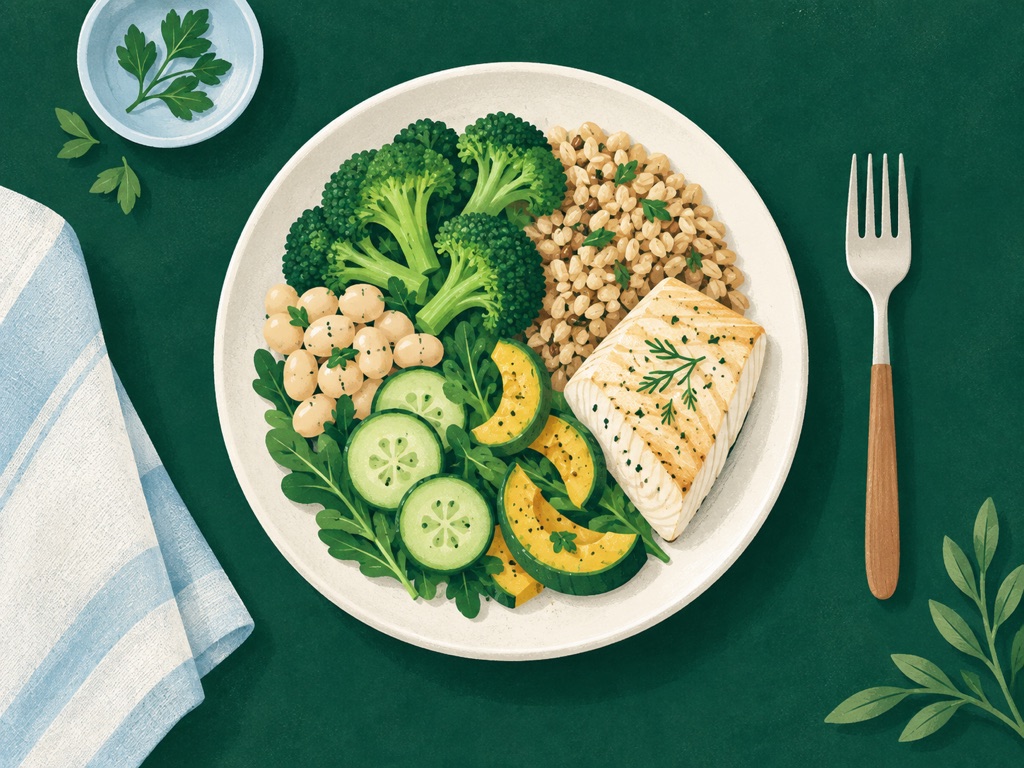
In intermittent fasting, what you eat when the window opens matters as much as when it opens. Mass General Brigham recommends a healthy pattern in the eating window built on lean protein, whole grains, vegetables, fruit and healthy fats. Harvard Health also recommends a balanced diet with whole grains, nuts, legumes, fruit and vegetables, and adds that eating mostly fast food and processed food is not healthy whatever the timing.
How you build the plate
- Vegetables and fruit: the NHS Eatwell Guide recommends at least 5 portions of a variety of vegetables and fruit a day.
- Starchy foods: build your meals on starchy foods such as potatoes, bread, rice and pasta, and choose the wholegrain or higher fiber versions.
- Protein: beans and pulses, fish, eggs, meat and other protein sources; at least 2 portions of fish a week (2 x 140 g), one of them an oily fish such as salmon, sardines or mackerel.
- Dairy: milk and yoghurt, or alternatives such as soya drinks and yoghurts.
- Fats: unsaturated oils and spreads, in small amounts.
What to keep occasional
The NHS Eatwell Guide recommends eating foods and drinks high in fat, salt and sugar less often and in small amounts. The NHS adds a separate note on sugary drinks: they are high in calories and the sugar in them damages your teeth. For fruit juice and smoothies the suggested limit is no more than one small glass a day, that is 150 ml, taken alongside a meal. Cleveland Clinic also notes that late night snacks are mostly high calorie, low nutrient foods.
Do not try to make up for it
Mass General Brigham's warning is plain: you cannot load up on burgers and fries once the fasting period ends. Cleveland Clinic suggests choosing a method that covers your nutrition needs, feels good to you and is something you can keep up; according to the same source, fasting is a good opportunity to cut back on low nutrient foods and put nourishing ones first. So keeping the meals in your window filling and nourishing fits the frame the sources draw better than chasing what you missed before the window closes.
Putting one vegetable, one whole grain and one protein source side by side at every meal is the most practical way to bring this guidance to your plate.
Sources
VITA is for information only; it is not medical advice, diagnosis or treatment. If you are pregnant or breastfeeding, under 18, living with diabetes or taking medication that lowers blood sugar, have a history of an eating disorder or an ongoing illness, talk to your doctor before you fast.