 VITA
Sleep and night hunger while fasting
What the sources say about the timing of your last meal, what you can do when hunger hits at night, and your sleep routine.
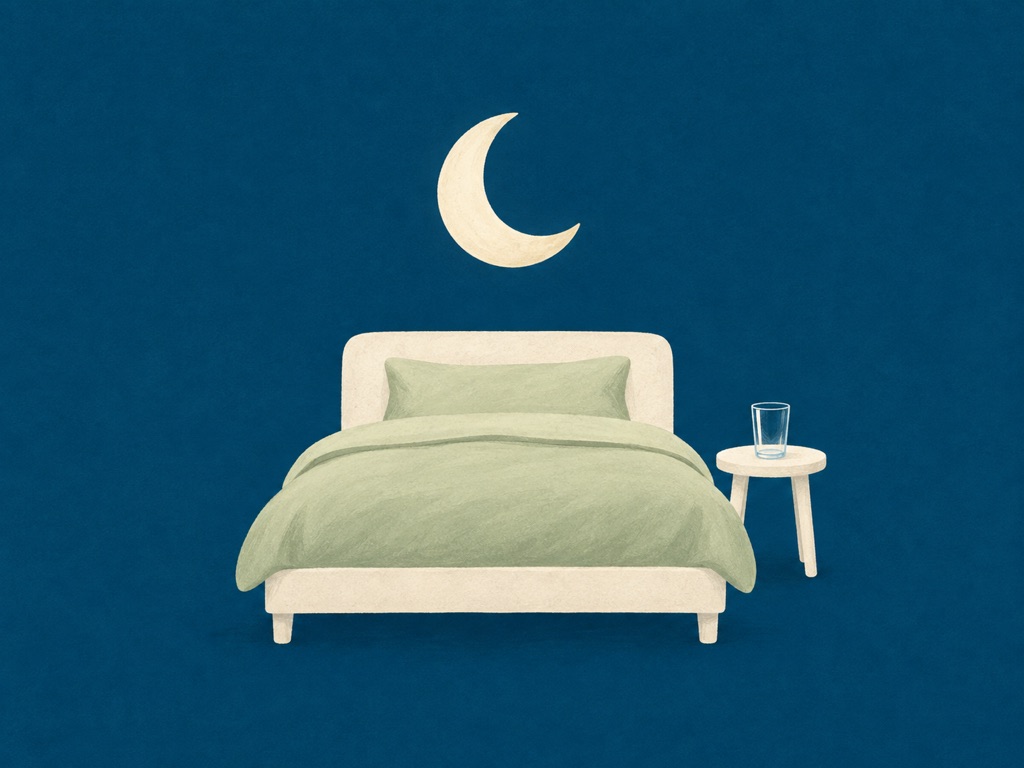
For most people the larger part of the fasting window overlaps with sleep. Harvard Health Publishing notes that human metabolism is aligned with the natural day and night cycle, and adapts best to being hungry and eating during the day and to fasting and sleeping at night.
When the last meal is
Cleveland Clinic says it is best to stop eating about three hours before bed, and notes that eating late runs against your body's circadian rhythm. The NHS sleep list also recommends not eating a big meal late at night, and no tea, coffee or alcohol within at least 6 hours of bedtime.
When hunger hits at night
Cleveland Clinic notes that going to bed hungry can disturb your sleep too, so a light and healthy evening snack can be good for sleep in some people; when you are genuinely hungry, it suggests light options with protein, vegetables with hummus or yoghurt for example. The same source says to stay away from sugary and fatty foods, caffeine and alcohol. According to the sources, any addition that carries calories ends your fast; so a snack at night means your window is over.
Habit or hunger
Cleveland Clinic notes that most night eating comes from habit, and that late night snacks are generally high calorie, low nutrient foods. The same source says that focusing on foods high in fiber and protein at your daytime meals is filling.
The NHS notes that adults need 7 to 9 hours of sleep on average, and recommends waking at the same time every day and winding down for at least an hour before bed. Cleveland Clinic notes that sleep disruption can show up during extreme or prolonged fasting periods. If your sleep trouble has lasted for months or is making daily life harder, the NHS recommends seeing a doctor; and talking to a doctor before you change your fasting routine is recommended as well.
Sources
VITA is for information only; it is not medical advice, diagnosis or treatment. If you are pregnant or breastfeeding, under 18, living with diabetes or taking medication that lowers blood sugar, have a history of an eating disorder or an ongoing illness, talk to your doctor before you fast.