 VITA
Headaches, tiredness and dizziness while fasting
The likely causes of headaches, tiredness and dizziness during a fast, what you can do yourself, and when to stop the fast and see a doctor.
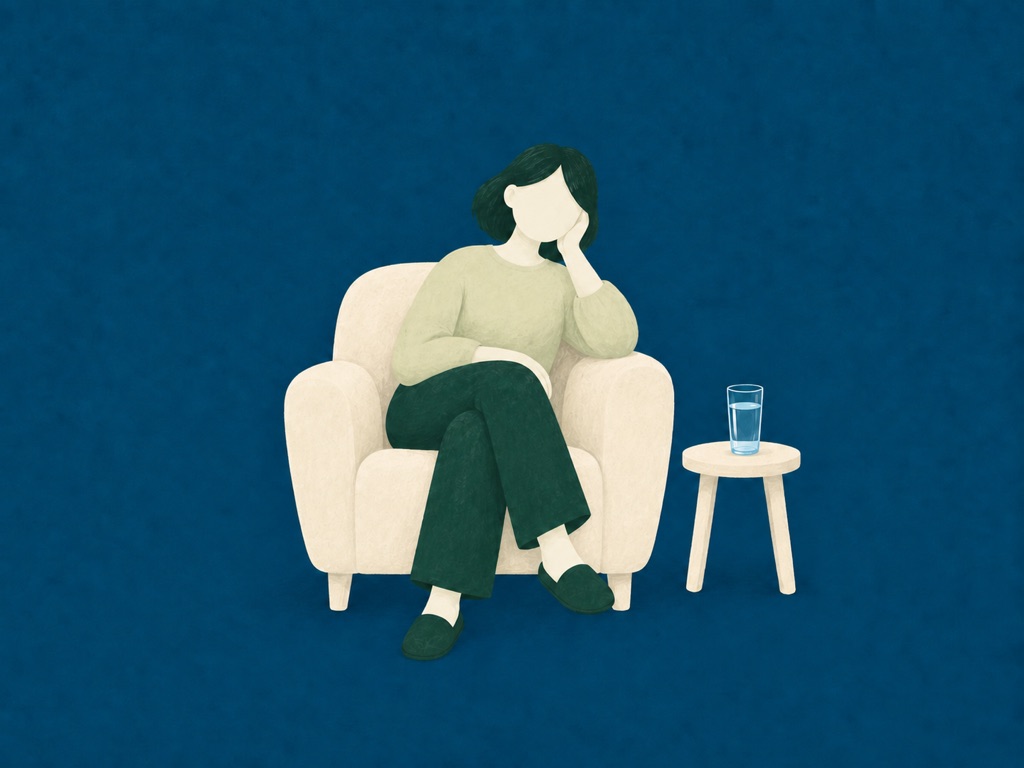
When you fast you may get a headache or feel tired or light headed. According to a 2026 evidence summary, hunger and headache are common side effects of time restricted eating, and both are mild and pass.
Why headaches happen
Medicine has a name for this: fasting headache. According to a review by Torelli and Manzoni, the pain is usually spread across the whole head or felt in the forehead, is not throbbing, and is mild to moderate. In most cases it starts after at least 16 hours of fasting and clears within 72 hours of eating again. The longer the fast, the more likely it is, and people who often get headaches are at higher risk. Low blood sugar and caffeine withdrawal are the causes most often pointed to, but the mechanism is still not fully understood.
If you dropped coffee overnight
If you gave up your morning coffee when you started fasting, that may be part of the reason. According to a review by Juliano and Griffiths, caffeine withdrawal brings headache, tiredness, low energy, drowsiness, trouble concentrating and irritability. Symptoms usually start 12 to 24 hours after the last caffeine and can last 2 to 9 days.
Tiredness and dizziness
Not drinking enough can cause similar symptoms. According to the NHS, feeling thirsty, a headache, feeling dizzy or light headed, tiredness, dark yellow and strong smelling pee, peeing less often than usual and a dry mouth can all be signs of dehydration.
If you take medicine that lowers your blood sugar, things are different. According to the NHS, low blood sugar mostly affects people who take insulin or some other diabetes medicines and is rare in people without diabetes. Its symptoms include sweating, shaking, heart palpitations, blurred vision and confusion. According to Harvard Health Publishing, skipping meals can be dangerous with conditions such as diabetes, so if you take these medicines, do not start fasting without talking to your doctor.
What you can do yourself
- Drink plenty of water; the NHS recommends it for both headaches and dizziness.
- If you feel dizzy, lie down until it passes, then get up slowly. Do not bend down or stand up suddenly.
- Until the dizziness passes, do not drive, climb a ladder or use heavy machinery.
- If the headache does not ease, you can end that day's fast there; the NHS advises not skipping meals when you have a headache.
When to stop fasting and see a doctor
According to the NHS, see a doctor if a headache you have tried to treat yourself is not getting better or is getting worse, or if you get headaches regularly. See a doctor too if dizziness will not go away, keeps coming back, or comes with changes in your vision, numbness, weakness, an irregular pulse or fainting.
Stop fasting straight away and call your local emergency number if a headache comes with any of the following. The NHS treats these as emergencies:
- Pain that started suddenly and is extremely severe.
- Numbness or weakness in the face or body.
- Difficulty speaking, balancing, walking or remembering things.
- Drowsiness or confusion.
- Loss of vision or a seizure.
- A very high temperature, a stiff neck or finding bright light hard to bear.
- A head injury within the last 3 months.
If symptoms come back every day, you can go back to a shorter window such as 12:12 or 14:10; the shorter the fast, the less likely a headache becomes.
Sources
- Liu et al. 2026, Time-restricted eating in overweight and obese adults: an evidence summary and clinical recommendations (PMC)
- Torelli & Manzoni 2010, Fasting headache (Current Pain and Headache Reports)
- Juliano & Griffiths 2004, A critical review of caffeine withdrawal (Psychopharmacology)
- NHS, Dehydration
- NHS, Low blood sugar (hypoglycaemia)
- Harvard Health Publishing, 4 intermittent fasting side effects to watch out for
- NHS, Headaches
- NHS, Dizziness
VITA is for information only; it is not medical advice, diagnosis or treatment. If you are pregnant or breastfeeding, under 18, living with diabetes or taking medication that lowers blood sugar, have a history of an eating disorder or an ongoing illness, talk to your doctor before you fast.